A recent public appearance by one of the nation’s Supreme Court justices is drawing renewed attention far beyond the courtroom.
The conversation between Justice Ketanji Brown Jackson and former first lady Michelle Obama on the latter’s podcast touched on judicial ethics, public perception of justices and the court, and the growing pressures facing its nine members.
While much of the discussion focused on the responsibilities that come with a lifetime appointment, some of the comments quickly became a focal point for critics and supporters alike.
The interview has fueled a broader debate about impartiality, public appearances, and the role of Supreme Court justices outside the courtroom.
But what raised eyebrows was that Jackson, at one point, discussed the importance of judicial impartiality while appearing on a podcast hosted by a former first lady and leading Democratic political figure.
Jackson, who joined the Supreme Court in 2022 after being nominated by President Joe Biden, said judges must remain vigilant about avoiding both actual bias and the appearance of bias in their public activities.
“You really have to be focused on that,” Jackson said when asked how she approaches impartiality as a justice.
She explained that invitations for public appearances are reviewed by court staff to identify any potential ethical concerns and ensure they do not create conflicts of interest or involve fundraising activities.
“There are lots of limits on what judges can do, and I try to be very, very mindful and scrupulous with respect to that because, as you say, our obligation is to be unbiased in our approach,” Jackson, who refused to define what a woman is during her confirmation hearing, said.
She added that judges must “navigate all the sources that could make for an appearance of partiality, which you want to avoid.”
The podcast appearance prompted criticism from some commentators, who questioned whether participating in a program hosted by Michelle Obama could itself create the appearance of partisanship, while others argued that Supreme Court justices regularly participate in interviews and public discussions outside of court proceedings.
Jackson also spoke at length about the personal adjustments required after joining the Supreme Court, describing the level of security surrounding the position as one of the biggest surprises of serving on the nation’s highest court.
“I think the thing that has been most startling in a way, is the need for security,” Jackson said, explaining that she did not experience the same level of protection while serving on lower federal courts.
She said the security requirements have significantly changed her daily life, limiting her ability to move about freely and enjoy the privacy she once had before becoming a Supreme Court justice.
“It has meant really having to adjust my life,” Jackson said. “I can’t just go out in any meaningful way as I used to.”
Concerns about judicial security have become increasingly prominent in recent years following a series of threats directed at federal judges and Supreme Court justices.
In 2022, an armed man was arrested outside Justice Brett Kavanaugh’s Maryland home, and several members of the court have since publicly discussed receiving increased security protection amid heightened political tensions.
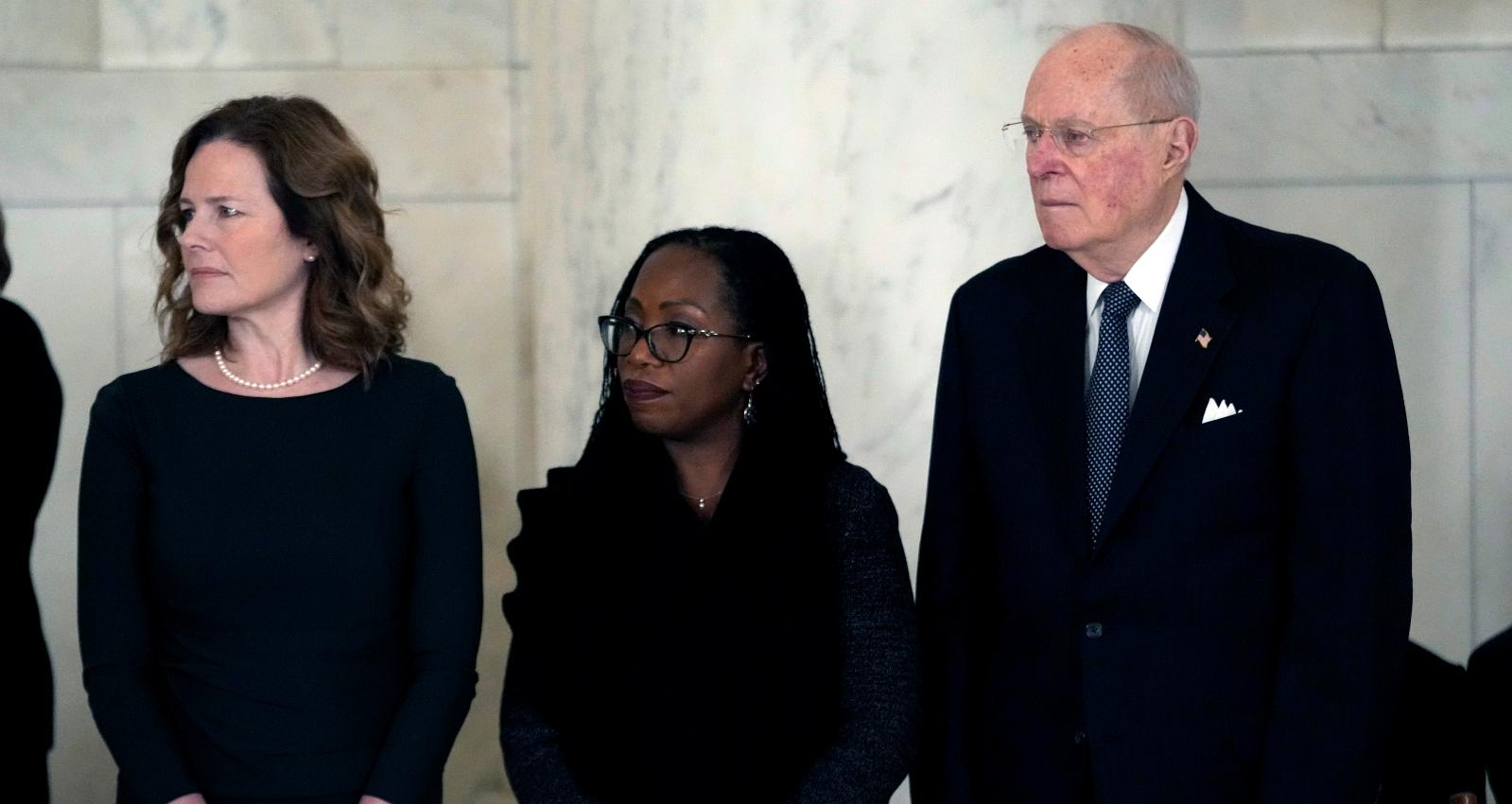
Justices Amy Coney Barrett and Elena Kagan also recently urged Congress to approve additional funding for Supreme Court security, citing growing threats, swatting incidents and other safety concerns affecting members of the judiciary and their families.
During the interview, Jackson reflected on her decision to pursue a legal career, saying she had long believed becoming a lawyer was the best way to serve the public because both of her parents instilled in her the importance of public service, Newsweek reported.
The discussion comes as the Supreme Court continues to face intense public scrutiny over its rulings, ethics and security, with the court seeking additional resources from Congress while individual justices increasingly find themselves at the center of both legal and political debates extending well beyond the courtroom.